17 Reasons Not To Avoid Composite Door Repair


How to Restore a Composite Door
Composite doors are constructed of 17 laminated layers and a solid timber core that keeps your family warm and safe. These doors are vulnerable to damage caused by burglaries or forces.
Cracks, misalignment, and gaps around the frame are common problems. Most of these problems can be fixed easily!
Cracks
Composite doors are renowned for their durability. However, they could develop cracks or splits with time. Cracks and splits may be caused by wear and tear or even an unnoticed impact or knock.
You can repair a minor crack or split with an injection of plastic at your local hardware store. Follow the directions on the label and apply the compound to the crack, using a knife to spread it evenly over the surface. The compound will set and become invisible when you look closer. If the crack is extensive an assessment by a professional may be required.
Cracks and splits can also be caused by changes in humidity or temperature especially when the door is exposed to direct sunlight for prolonged periods of time. You can stop this from happening by ensuring that your home is well-ventilated and reducing humidity. You can also apply an exterior paint that is specifically designed for your composite door to shield it from weather damage and to reduce exposure to sunlight.
Another issue with composite doors is that they can be noisy or stick when they are opened or closed. This could be due to a high humidity level, a misaligned hinges or uneven ones, or a swollen door. A stuck door can be a frustrating and embarrassing issue, particularly if it's near your front door lock.
It is possible to resolve a sticking door by lubricating the hinges in order to reduce friction and the need for manual force. Additionally, loosening the hinge screws and then adding longer ones will help lift the door back up and close it with ease. You may also consider sanding down the surface of your composite door to reduce any sticking or scraping but you should be cautious not to scratch the GRP coating.
If your door is squeaking it could mean that the locking mechanism is damaged or dirty which makes it difficult to turn the key or open and close the door. Try a silicone-based lubricant for the piston or grease lubricant for the mechanism to to make this process easier. If this doesn't solve the problem, it may be necessary to replace the lock's components.
Loose Seals
While composite doors tend to last longer than uPVC and timber doors, they remain vulnerable to damage. As with all doors that are exterior they can fade in time due to sun exposure and other weather conditions. This can be unsightly and make your home appear less attractive. Fortunately, there are a number of ways to restore your composite door to its original glory.
A frequent issue with composite doors is leaks, which usually occur because of damaged weather seals. This could cause water to seep into your home, which poses an extremely dangerous security risk and something you'll need address quickly to avoid further damage.
It is recommended to replace the weather seals and gaskets of your composite door as quickly as you can, if it's leaky. This is a simple process that takes only just a few minutes. First, remove the old seal by loosening the screws and then prying it out. After the old seal is removed, simply put a new seal over the gap, making sure it's properly inserted. You can also apply graphite or a lubricant made of silicone in order to keep your seals and gaskets in place.
Another potential issue with composite doors is swelling or an incorrect alignment of the hinges, often caused by fluctuations in temperature or the building's settling. This can result in gaps around the door's frame and make it difficult to shut or open the door.
oldham composite door hinge replacements is also essential to regularly check your composite doors' drainage holes to ensure that they're not blocked. This is especially true in winter, when the door threshold is susceptible to flooding if it's not cleaned correctly. Regularly cleaning the drainage holes will keep them clear, and will stop water from building up in areas that could cause structural damage.
Composite doors are perfect for any home, but they can have problems with tear and wear. If you follow these simple repair tips, you can keep your doors in excellent condition for the long run.
Dropped Hinges
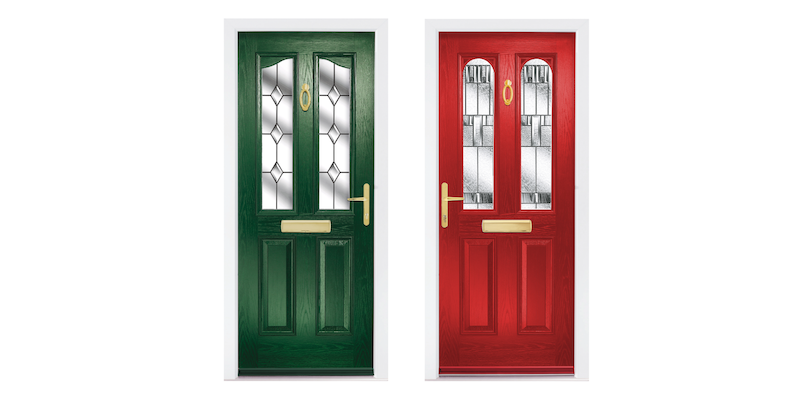
Composite doors are extremely durable and require little maintenance, but the hinges can break if they are subjected to continuous use. This is a simple problem that can be fixed with a few simple adjustments to the door. First, you'll need examine the hinges on your door to identify the source of the issue. This will help you determine the correct adjustments to make and the best tools to use. You should also clean the hinge area, to remove any dust or dirt that could be causing trouble.
With a screwdriver or hex key Remove the plastic caps (if appropriate) that cover the tops and bottoms of each hinge. This will expose the screws that hold them in place and allow you to adjust the hinges. After tightening the screws, you can then apply the pressure needed to the hinges to make sure they're sitting flush with the frame and running smoothly.
It's also a good idea to periodically check the hinges and latch for any signs of wear or misalignment. This will not only help keep your door in good condition but also help prevent any security issues from forming. It is also important to make sure the bottom hinge is carrying the majority of the load. this will decrease the chance of it sagging over time.
If you're having difficulty locking your composite door, it could be due to an issue with the hinges or an issue with the multi-point lock. If the hinges are not adjusted properly, this could lead to the lock becoming sticky or difficult to use.
Our experts can align your door and reinstall locks to provide an economical solution. We can also fit new letterboxes and handles to give your composite doors a fresh feel and look.
Blocked Drainage Holes
Composite doors are a popular choice for homeowners because of their durability, style and low-maintenance look. Like all exterior doors they are prone to wear and tear that is caused by the weather. Although composite doors aren't painted or polished as timber doors, you can still take some steps to address common issues and make your door look like new.
One of the most frequently encountered problems with composite doors is that they can start to let water in. This is often because of worn out gaskets and weather seals that leave gaps that allow rainwater into your home. To fix this issue, simply flush the drainage holes that are located on the thresholds of the door with water to ensure they're operating properly and free of obstructions.
The locking mechanism of composite doors can also become stuck. This is typically caused by dirt or grease that builds up in the door handle or lock cylinder. Clean the cylinder with an appropriate cleaning product that is safe for composite doors. Then, apply grease-lubricant in order to get it working again.
By flushing the drainage holes with water, you can easily solve this issue. By cleaning these drainage holes every six months, you will keep them from becoming blocked or dirty and also avoid water from entering your home.
Staining is an inevitable part of everyday life but it can be difficult to remove from certain surfaces. For most doors that are exterior you can treat it by wiping the affected area with a damp cloth and then using a mild detergent to wash away any dirt that remains. It is also possible to use a chemical-based stain remover to remove any stubborn stains.
Although composite doors are constructed from different materials, they will get old and brittle due to exposure to harsh elements and sunlight. Your composite doors may look damaged and worn-out as a result. However there are a few easy steps you can take to revive the appearance and keep them in top condition for the next few years.